
The Future of Quantum Dots in Biomedical Applications
The intersection of nanotechnology and medicine is redefining how we diagnose, monitor, and treat diseases. The evolution of COVID-19 vaccines based on nanomedicine—particularly lipid nanoparticle (LNP) technologies—has reignited global confidence in the power of nanoscale systems as effective protective tools during pandemics.
Building on this momentum, quantum dots (QDs) are emerging as one of the most promising nanomaterials due to their unique optical and physicochemical properties.
Unlike conventional materials, quantum dots exhibit size-dependent emission, high photostability, and tunable electronic behavior, enabling applications that range from real-time bioimaging to targeted drug delivery.
However, despite decades of research, their transition from laboratory innovation to clinical adoption remains limited. This raises a critical question: What is the real future of quantum dots in biological applications—and can they even be integrated into next-generation vaccines?
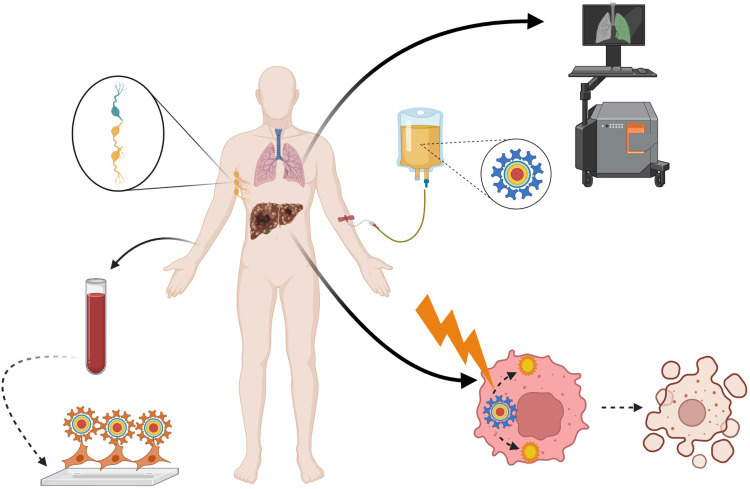
Figure 1.Schematic representation of the biomedical applications of quantum dots (QDs), including biosensing, in vivo imaging, and photodynamic therapy, highlighting their multifunctional role in diagnosis and treatment.
What Makes Quantum Dots Unique?
Quantum dots are semiconductor nanocrystals typically sized between 1–15 nm. Their defining characteristic is quantum confinement, which allows their optical properties to be tuned simply by adjusting particle size.
Key advantages include:
- High fluorescence intensity and stability
- Narrow emission spectra for multiplexing
- Broad excitation profiles
- Resistance to photobleaching
These features position QDs as a superior alternative to traditional fluorescent dyes in biomedical systems.
Biomedical Applications of Quantum Dots
Advanced Bioimaging and Diagnostics
Quantum dots have revolutionized fluorescent imaging techniques, enabling high-resolution visualization at both cellular and tissue levels.QDs exhibit high quantum yield, size-dependent emission (400–900 nm), and strong resistance to photobleaching, enabling long-term and multiplexed imaging with minimal signal loss.
Applications include:
- Intracellular protein tracking
- Tumor imaging and localization
- In vivo organ visualization
Their emission in the near-infrared (NIR) region allows deeper tissue penetration, significantly improving diagnostic accuracy.
Traceable Drug Delivery Systems
One of the most transformative applications of QDs is their role as traceable nanocarriers. Surface functionalization (e.g., PEGylation, antibody or peptide conjugation) improves biodistribution and enables receptor-mediated endocytosis for targeted delivery.
Unlike traditional delivery systems, QDs enable:
- Simultaneous drug delivery and tracking
- Targeted therapy via ligand functionalization
- Enhanced tumor penetration due to nanoscale size
This dual functionality aligns with the growing demand for precision medicine solutions.
Photodynamic Therapy (PDT)
Quantum dots can act as photosensitizers, generating reactive oxygen species (ROS) under light exposure. Upon light excitation, QDs transfer energy to molecular oxygen, generating singlet oxygen (¹O₂) and ROS, triggering apoptosis in tumor cells.
This enables:
- Targeted cancer cell destruction
- Minimally invasive therapy
- Enhanced treatment efficiency
Recent studies demonstrate rapid tumor cell apoptosis, highlighting their strong potential in oncology.
Biosensors and Molecular Detection
Quantum dots are increasingly integrated into biosensing platforms, where sensitivity and selectivity are critical. QDs-based biosensors rely on fluorescence quenching, FRET (Förster Resonance Energy Transfer), or electron transfer mechanisms, enabling detection at micromolar to nanomolar levels.
They are used for:
- Glucose monitoring
- Cancer biomarker detection
- Pathogen identification
Their fluorescence-based detection enables ultra-low detection limits, making them valuable in early diagnosis.
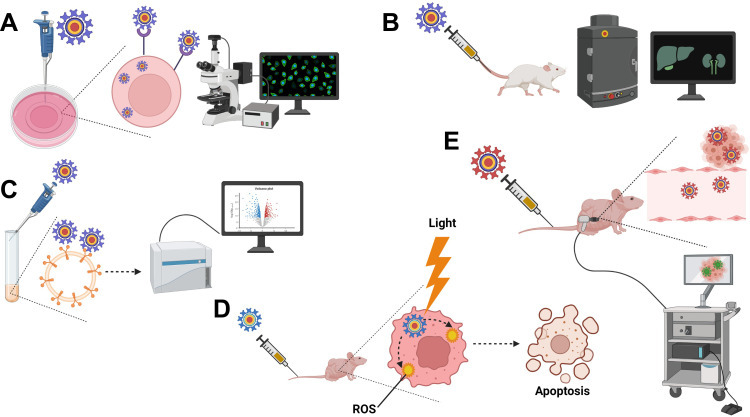
Figure 2. Schematic representation of the biomedical applications of quantum dots (QDs), including biosensing, in vivo imaging, and photodynamic therapy, highlighting their multifunctional role in diagnosis and treatment.
What Is the Future of Quantum Dots for Biological Applications?
The future of quantum dots in biological applications is closely tied to the evolution of nanomedicine, precision diagnostics, and multifunctional therapeutic systems. As research progresses, quantum dots are no longer viewed as standalone imaging tools, but rather as integrated platforms capable of combining diagnosis, treatment, and monitoring within a single nanoscale system. This shift toward theranostics is expected to redefine how diseases, especially cancer, are detected and treated.
One of the most critical developments shaping the future of QDs is the transition toward biocompatible and cadmium-free materials. Traditional quantum dots, often based on heavy metals such as cadmium or lead, pose toxicity concerns that limit their clinical applicability. In response, the industry and academia are increasingly focusing on carbon quantum dots, graphene quantum dots, and silicon-based nanostructures, which offer comparable optical performance with significantly improved safety profiles.
In parallel, advances in surface engineering and functionalization are enabling more precise biological interactions. By modifying QDs with antibodies, peptides, or polymers, researchers can achieve target-specific binding, controlled biodistribution, and enhanced cellular uptake mechanisms. This allows quantum dots to actively participate in biological processes rather than simply acting as passive imaging agents.
Another important direction is the integration of QDs into next-generation diagnostic systems, including biosensors and real-time monitoring platforms. Their sensitivity, combined with fluorescence-based detection mechanisms, positions them as key components in early disease detection and continuous health monitoring technologies.
Challenges and Outlook
Despite their significant potential, the widespread clinical adoption of quantum dots remains limited due to several critical challenges. Issues such as long-term toxicity, instability, complex manufacturing processes, and regulatory uncertainties continue to hinder their translation from laboratory research to real-world medical applications.
Nevertheless, ongoing innovations in material science, especially in green synthesis methods and surface modification strategies, are gradually addressing these barriers. As these challenges are resolved, quantum dots are expected to become a central component in the development of next-generation biomedical technologies.
Frequently Asked Questions (FAQ)
What are quantum dots used for in medicine?
Quantum dots are used in bioimaging, drug delivery, biosensors, and cancer therapies such as photodynamic therapy.
Are quantum dots safe for human use?
Traditional quantum dots may pose toxicity risks due to heavy metals, but newer carbon- and silicon-based QDs are significantly safer.
Can quantum dots be used in vaccines?
Not yet in mainstream applications, but they have potential as nanocarriers and immune monitoring tools in future vaccine technologies.
Why are quantum dots important for cancer research?
They enable targeted imaging and therapy, allowing precise detection and destruction of cancer cells.
What is the biggest challenge for quantum dots in medicine?
The main challenges are toxicity, biocompatibility, and large-scale clinical validation.
Quantum dots are set to play a transformative role in the future of nanomedicine, bridging diagnostics and targeted therapy. Explore advanced nanomaterial solutions designed to support cutting-edge biomedical research and innovation.
To explore the fundamental principles of quantum dots, check out our blog post: The Complete Guide to Quantum Dots
References
- Abdelatif, A. M., et al. (2024). Biomedical applications of quantum dots: Recent advances and future perspectives. Results in Engineering.
- Salvi, A., Kharbanda, S., Thakur, P., Shandilya, M., & Thakur, A. (2024). Biomedical application of carbon quantum dots: A review. Carbon Trends, 17, 100407.
Recent Posts
-
The Future of Quantum Dots in Biomedical Applications
The intersection of nanotechnology and medicine is redefining how we diagnose, monitor, and treat di …18th Mar 2026 -

Energy Harvesting in Carbon Nanotube Yarns
Introduction Rather than storing and transporting energy through traditional methods, generating it …13th Mar 2026 -
Graphene Based Neuromorphic Hardware
Introduction The most significant structural challenge of the digital age is the physical distance b …6th Mar 2026