
Shape Memory Materials
Shape memory materials are smart materials that return to a preset shape when triggered by heat, stress, or a magnetic field. Nanografi supplies shape memory alloys such as Nitinol and shape memory polymers in various forms and compositions for medical, aerospace, robotics, and actuator applications, all at competitive prices with worldwide shipping.
- Product
- Qty in Cart
- Quantity
- Price
- Subtotal
-

Nitinol Shape Memory Alloy Sheet, Thickness: 0,5 mm, AF: 35-40°C
$7.681cm x 1cm/ 6,85 € 2 cm x 2cm/ 16 €NG02SMA003$7.68 -

Nitinol Shape Memory Alloy Wire, Diameter: 1,5 mm, AF: 35-40°C
$67.271 meter / 60 € 5 meters / 210 € 10 meters / 620 € Please contact us for quotes on larger quantities ! Nitinol Shape Memory Alloy WirNG01SMA003$67.27 -

Nitinol Shape Memory Alloy Wire, Diameter: 0,5 mm, AF: -10 - -15°C
$56.061 meter/ 50 € 5 meters/ 185 € 10 meters/ 250 € Please contact us for quotes on larger quantities ! NitNG01SMA001$56.06 -
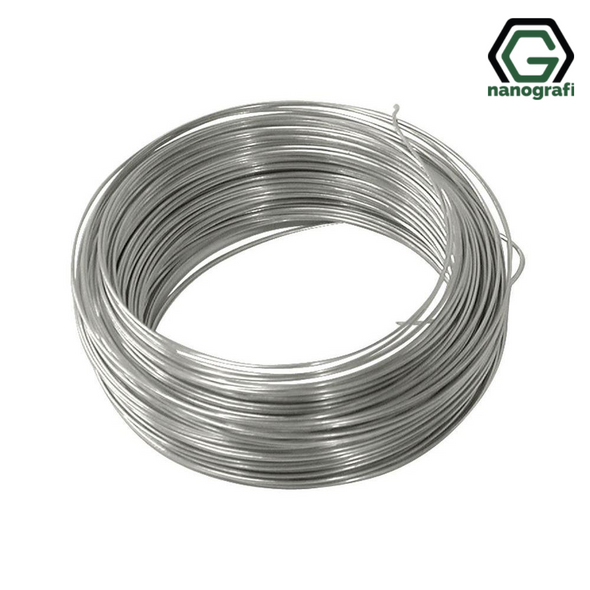
Nitinol Shape Memory Alloy Wire, Diameter: 1 mm, AF: 15-20°C
$50.451 meter / 45 € 5 meters / 180 € 10 meters / 250 € Please contact us for quotes on larger quantities ! Nitinol Shape Memory Alloy WirNG01SMA002$50.45 -
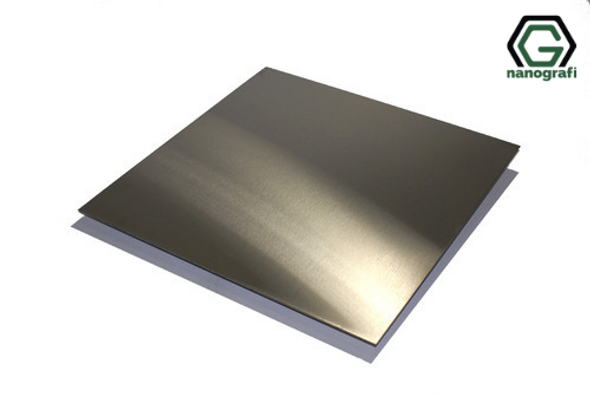
Nitinol Shape Memory Alloy Sheet, Thickness: 0,5 mm, AF: 80-85°C
$7.621cm x 1cm/ 6,80 € 2 cm x 2cm/ 16 €NG02SMA005$7.62 -

Nitinol Shape Memory Alloy Wire, Diameter: 1 mm, AF: 45-50°C
$50.451 meter / 45 € 5 meters / 180 € 10 meters / 246 € Please contact us for quotes on larger quantities ! Nitinol Shape Memory Alloy WirNG01SMA004$50.45 -

Nitinol Shape Memory Alloy Sheet, Thickness: 1 mm, AF: 50-55°C
$6.951cm x 1cm/ 6,20 € 2 cm x 2cm/ 12,45 €NG02SMA004$6.95 -

Nitinol Shape Memory Alloy Wire, Diameter: 2 mm, AF: 80-85°C
$44.841 meter / 40 € 5 meters / 160 € 10 meters / 220 € Please contact us for quotes on larger quantities ! Nitinol Shape Memory Alloy WirNG01SMA005$44.84 -

Nitinol Shape Memory Alloy Sheet, Thickness: 2 mm, AF: -10 - -15°C
$5.041cm x 1cm/ 4,50 € 2 cm x 2cm/ 6,75 €NG02SMA001$5.04 -

Shape Memory Polymer NGM4520, Ether Type
$532.521 kg/475 € 5 kg/2025 € 10 kg/3580 € 20 kg/6094 € Please contaNG01SMP013$532.52 -

Shape Memory Polymer NGM3520, Ether Type
$676.861 kg/603,75 € 5 kg/2571,25 € 10 kg/4523,75 € 20 kg/7633,75 € Please contact us for quotes on larger quantitNG01SMP014$676.86 -

Shape Memory Polymer NGM2520, Ether Type
$554.941 kg/495 € 5 kg/2100 € 10 kg/4470 € 20 kg/6175 € Please contact us for quotes on larger quantities !!!NG01SMP015$554.94 -

Shape Memory Polymer NGM6520, Ether Type
$504.501 kg/450 € 5 kg/1969 € 10 kg/3463 € 20 kg/6032 €NG01SMP011$504.50 -

Shape Memory Polymer NGM5520, Ether Type
$512.341 kg/457 € 5 kg/1994 € 10 kg/3488 € 20 kg/6057 € Please contaNG01SMP012$512.34 -
Shape Memory Polymer NGM9020, Ether Type
$476.471 kg/425 € 5 kg/1925 € 10 kg/3413 € 20 kg/5963 €NG01SMP009$476.47 -

Shape Memory Polymer NGM7520, Ether Type
$484.321 kg/432 € 5 kg/1932€ 10 kg/3432 € 20 kg/5988 €NG01SMP010$484.32 -

Shape Memory Polymer NGS2520, Solution Type
$484.321 liter/432 € 5 liters/1969 € 10 liters/3475 € 20 liters/6232 € Please contact us for quotes on largerNG01SMP0104$484.32 -
Shape Memory Polymer NGS5520, Solution Type
$6,502.384 liters/5800 € Please contact us for quotes on larger quantities !!! Shape Memory Polymer NGS5520 Solution Type Shape-memory polymers (SMPs) which are an emerging class of “smart materials”...NG01SMP0101$6,502.38 -

Shape Memory Polymer NGS4520, Solution Type
$6,502.384 liters/5800 € Please contact us for quotes on larger quantities !!! Shape Memory Polymer NGS4520 Solution Type Shape-memory polymers (SMPs) which are an emerging class of “smart materials” that...NG01SMP0102$6,502.38 -

Shape Memory Polymer NGS3520, Solution Type
$6,502.384 liters/5800 € Please contact us for quotes on larger quantities !!! Shape Memory Polymer NGS3520 Solution Type Shape-memory polymers (SMPs) which are an emerging class of “smart materials” that...NG01SMP0103$6,502.38 -

Shape Memory Polymer NGP4510, Potting Type
$2,782.574 kg/2482 € 8 kg/4362 € 12 kg/6200 €20 kg/8588 € Please contact us for quotes on larger quantities !!! Shape Memory Polymer NGP4510 Potting Type Shape-memory polymers...NG01SMP005$2,782.57 -

Shape Memory Polymer NGP5510, Potting Type
$2,782.574 kg/2482 € 8 kg/4363 € 12 kg/6200 €20 kg/8588 € Please contact us for quotes on larger quantities !!! Shape Memory Polymer NGP5510 Potting Type Shape-memory polymers...NG01SMP006$2,782.57 -

Shape Memory Polymer NGP3510, Potting Type
$2,782.574 kg/2482 € 8 kg/4362 € 12 kg/6200€20 kg/8588€ Please contact us for quotes on larger quantities !!! Shape Memory Polymer NGP3510 Potting Type Shape-memory polymers (SMPs)...NG01SMP007$2,782.57 -

Shape Memory Polymer NGP2510, Potting Type
$2,782.574 kg/2482 € 8 kg/4363 € 12 kg/6200 €20 kg/8588 € Please contact us for quotes on larger quantities !!! Shape Memory Polymer NGP2510 Potting Type Shape-memory polymers...NG01SMP008$2,782.57
What Are Shape Memory Materials?
Shape memory materials (SMMs) are a class of smart materials that can return to a pre-defined shape when exposed to a specific stimulus such as heat, a magnetic field, or stress. The two main types are shape memory alloys (SMAs), most commonly nickel-titanium (Nitinol), and shape memory polymers (SMPs), each offering different recovery mechanisms and operating temperature ranges. As a broader family of stimuli-responsive smart materials, they sit alongside other stimuli-responsive materials that adapt dynamically to their environment.
Shape Memory Alloys vs Shape Memory Polymers
The two material classes serve different needs. Shape memory alloys deliver high actuation force, excellent fatigue resistance, and biocompatibility, and the most widely used is Nitinol, a nickel-titanium alloy detailed in our guide to shape memory alloys. Shape memory polymers, by contrast, are lighter and more flexible, offering large recoverable strain at lower cost, as explained in our overview of shape memory polymer properties and types. Choosing between them depends on whether your application prioritizes force and durability or flexibility and weight.
Properties of Shape Memory Materials
- Shape memory effect for stimulus-activated shape recovery
- Superelasticity in alloys for large, reversible deformation
- High actuation force from alloys, high flexibility from polymers
- Excellent fatigue and corrosion resistance
- Biocompatibility, especially for Nitinol
- Available in various forms and compositions
Applications of Shape Memory Materials
Shape memory materials are used in medical devices such as stents and orthodontic wires, aerospace actuators, MEMS components, microrobotics, and electrical connectors. Their ability to perform repeatable mechanical work in response to environmental changes also makes them suitable for soft robotics, adaptive structures, and Braille display systems. In aerospace and automotive, this adaptive behavior enables lightweight morphing structures, a concept closely related to shape-shifting materials that replace mechanical systems.
Shape Memory Materials Price and Market
The global shape memory materials market continues to grow steadily, driven by demand from medical devices, aerospace, robotics, and actuator technologies. Prices vary depending on the material type, form, composition, and order volume, from research-scale quantities to bulk industrial orders. As a trusted shape memory materials supplier, Nanografi offers transparent, competitive pricing across alloys and polymers, so you can source the right material for your budget and application. Check the product listings above for up-to-date prices and specifications.
Frequently Asked Questions
Where can I buy shape memory materials?
You can buy shape memory materials directly from Nanografi. We supply shape memory alloys such as Nitinol and shape memory polymers in various forms and compositions, for both research and industrial use, with worldwide shipping.
What is the difference between shape memory alloys and shape memory polymers?
Shape memory alloys offer high actuation force, fatigue resistance, and biocompatibility, while shape memory polymers are lighter, more flexible, and provide large recoverable strain at lower cost. The right choice depends on your application's force, weight, and temperature requirements.
What is Nitinol?
Nitinol is a nickel-titanium shape memory alloy known for its excellent shape recovery, superelasticity, fatigue resistance, and biocompatibility, making it the most widely used shape memory alloy in medical and engineering applications.
What are shape memory materials used for?
Common applications include medical stents and orthodontic wires, aerospace actuators, MEMS, microrobotics, soft robotics, adaptive structures, and Braille displays.
Buy Shape Memory Materials at Nanografi
Nanografi offers shape memory alloys and polymers in various forms and compositions for both research and industrial use, all engineered to meet global quality standards at competitive prices. Browse the products above to find the right material for your application, with worldwide shipping and dedicated technical support.