
Titanium Aluminum Carbide (Ti3AlC2) MAX Phase Micron Powder, Purity: 99%, Size: 200 mesh, Industrial Grade

- SKU:
- NG10MPW1624
- Shipping:
- Calculated at Checkout

Description
25 grams: 93€
100 grams: 285€
500 grams: 745€
1000 grams: 1085€
Contact us for tailored quotes on larger quantities & experience exceptional solutions from our experts.
Titanium Aluminum Carbide (Ti3AlC2) MAX Phase Micron Powder
Purity: 99%, Size: 200 mesh, Industrial Grade
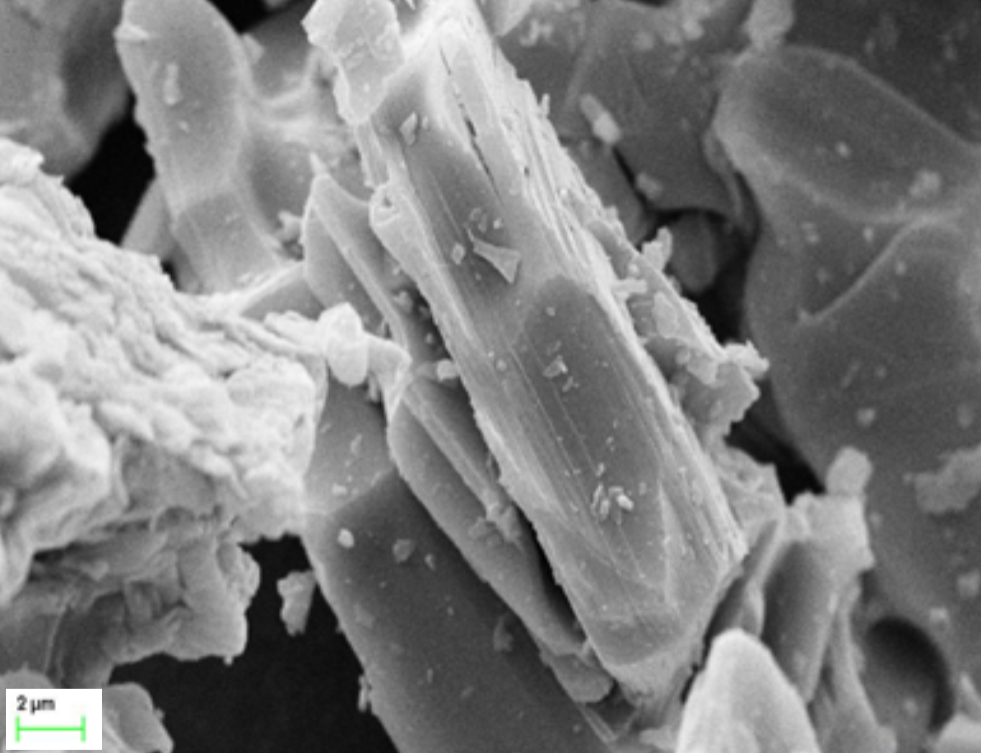
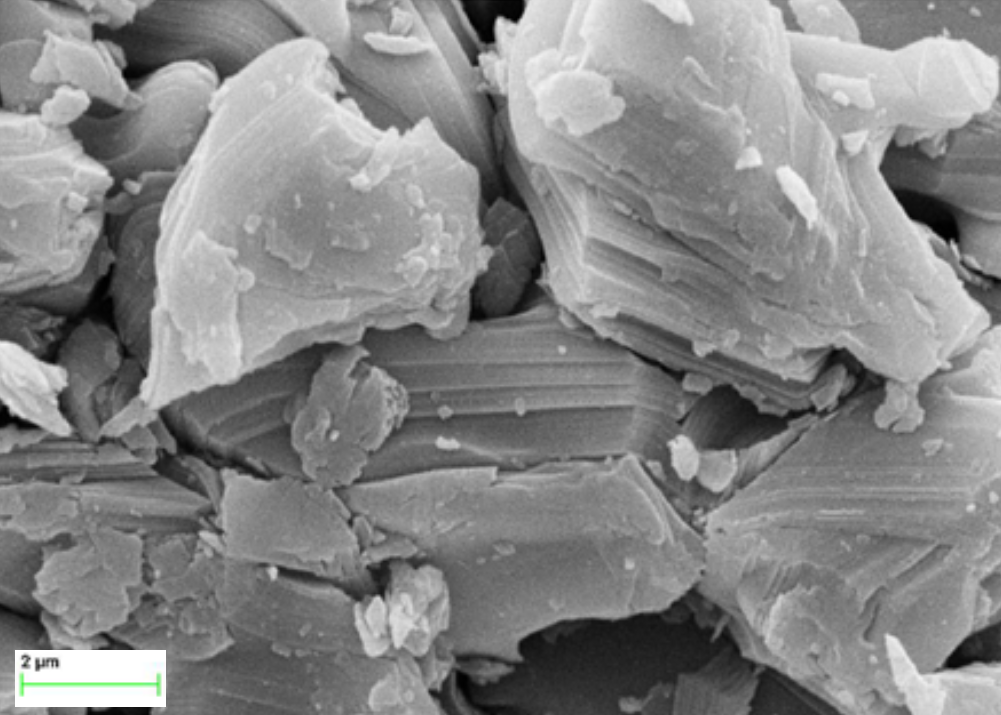
MAX Phase Ti3AlC2 is a representative of a unique class of ternary layered compounds that bridge the gap between conventional ceramics and metals. This industrial-grade dark grey powder possesses a distinct multi-layered, laminated morphology that is clearly visible under Scanning Electron Microscopy. This atomic-scale sandwich structure grants the material an extraordinary combination of properties: it retains the high-temperature stability, stiffness, and oxidation resistance of a ceramic while exhibiting the excellent electrical conductivity, thermal shock resistance, and damage tolerance typically associated with metals. Due to its layered nature, Ti3AlC2 acts as a versatile precursor for the synthesis of 2D MXene Ti3C2Tx nanosheets, making it a critical foundation for next-generation material science research and large-scale industrial manufacturing.
Technical Properties
| Purity | 99% | ||
| Size | 200 mesh | ||
| Structure | Multi-layered | ||
| Appearance | Dark Grey Powder | ||
| Elemental Analysis (%) | Ti | Al | C |
| 48 | 20 | 31 |
SEM Images
Applications
- MXene Precursor Synthesis: Primarily utilized as the essential raw material for etching into 2D MXenes, which are used in high-performance energy storage, sensors, and electromagnetic interference (EMI) shielding.
- High-Temperature Structural Components: Ideal for manufacturing aerospace and industrial parts that require durability under extreme thermal stress, combining metallic toughness with ceramic heat resistance.
- Conductive Ceramic Composites: Added to polymer or ceramic matrices to enhance electrical and thermal conductivity without sacrificing the mechanical integrity of the final composite.
- Nuclear and Energy Industry: Investigated for use in nuclear reactor components due to its resistance to radiation damage and high-temperature oxidation.
- Wear-Resistant Coatings: Applied in environments requiring low friction and high hardness, such as high-performance mechanical seals and engine components.
- Advanced Lubricants: The laminated, multi-layered structure allows the particles to slide against each other, serving as a high-efficiency solid lubricant in demanding industrial machinery.
- Electrode Materials: Used in the development of supercapacitors and battery electrodes where both chemical stability and high electron mobility are required.
Related Products
Related Products


Titanium Aluminum Carbide (Ti3AlC2) MAX Phase Micron Powder, APS: 325 Mesh, Purity: 99+ %

Titanium Aluminum Carbide (Ti2AlC) MAX Phase Micron Powder, APS: 325 Mesh, Purity: 99+ %


Chromium Aluminum Carbide (Cr2AlC) MAX Phase Micron Powder, Purity: 99%, Size: -400 mesh

Titanium Tin Carbide (Ti2SnC) MAX Phase Micron Powder, APS: 325 Mesh, Purity: 99+ %
