
Graphite Fluoride (Carbon Monofluoride) Micron Powder, Size: 5-10 μm, F/C Ratio : ≥1.2
- SKU:
- NG04GF0101
- Shipping:
- Calculated at Checkout

Description
5 grams / 81 €
25 grams / 172 €
100 grams / 371 €
500 grams /1468 €
1000 grams / 2481 €
Please contact us for quotes for larger quantities !
Graphite Fluoride (Carbon Monofluoride) Micron Powder
Size: 5-10 μm, F/C Ratio: ≥1.2
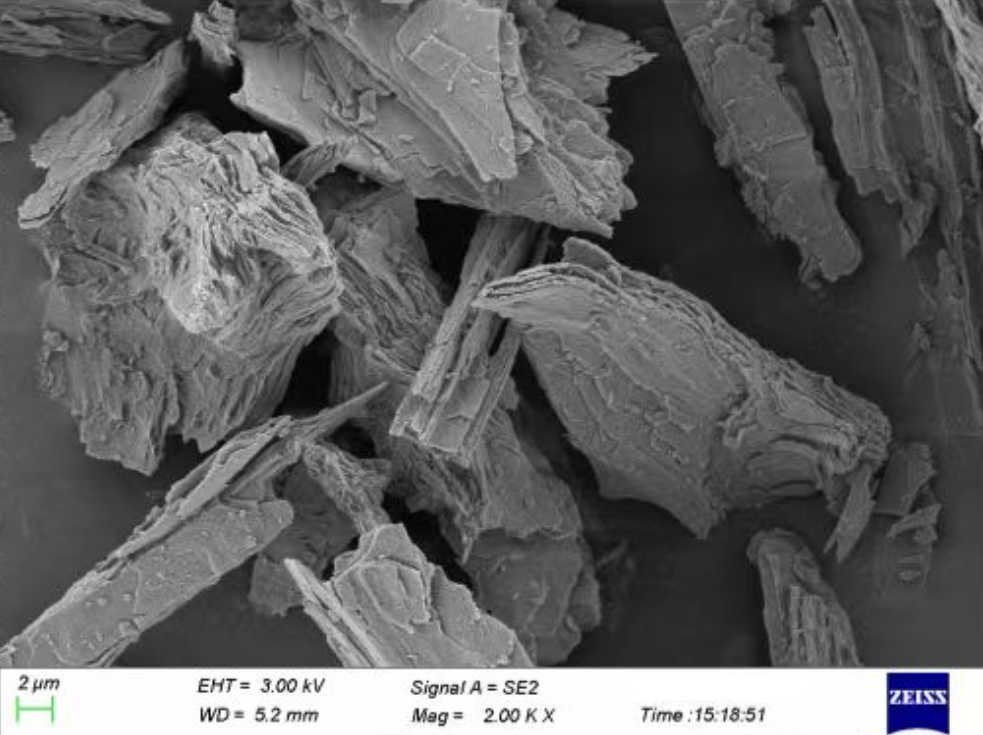
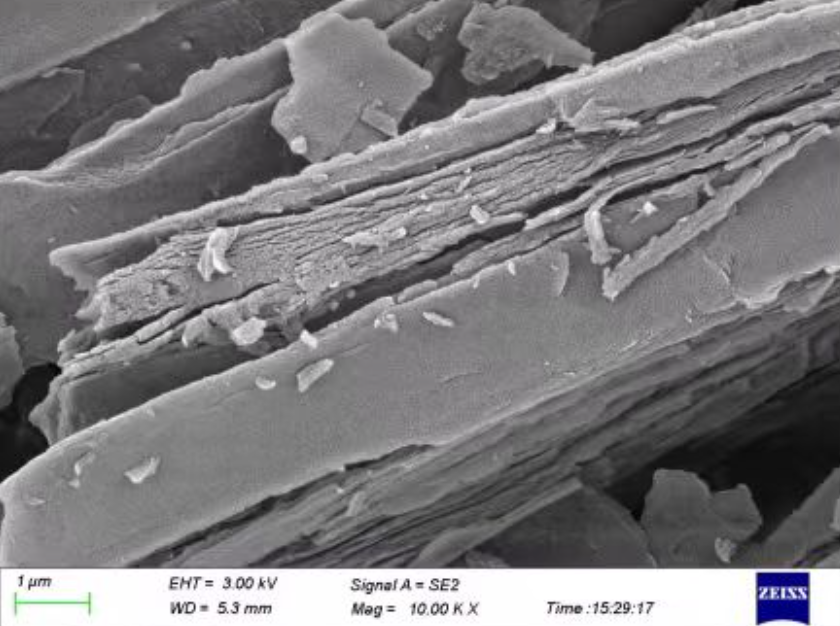
Graphite Fluoride or Carbon Monofluoride is a highly advanced functional material structured as a non-stoichiometric graphite intercalation compound, synthesized through a precise high-temperature dry reaction between high-purity carbon and fluorine gas. Characterized by its layered, flake-like morphology and pristine white powder appearance, this novel material possesses an exceptionally low surface free energy combined with outstanding chemical and thermal stability. Thanks to a proprietary automated internal circulation manufacturing process that ensures maximum safety and structural uniformity, the product achieves a high degree of fluorination that closely approaches theoretical limits. Its intrinsic properties deliver remarkable electrical insulation, superhydrophobic behavior, and superior resistance to environmental degradation, making it an exceptional high-performance additive for specialized industrial matrices requiring extreme durability.
Technical Properties
| F/C Ratio |
≥1.2 |
|
Particle Size |
5-10 μm |
|
Morphology |
Layered-Flake Structure |
|
Appearance |
White |
|
Thermal Stability |
350°C |
|
CAS No |
51311-17-2 |
SEM Images
Applications
- Solid Lubrication and Tribology: Due to its exceptionally low surface free energy, high thermal stability (above 350°C), and layered flake structure, it is widely used as a high-performance additive in solid lubricants, greases, and high-temperature (up to 300°C) silicone oils to drastically reduce friction and wear under extreme pressure.
- Coatings and Surface Engineering: It is employed as a wear-resistant and low-friction additive in surface coatings for wiper rubbers and elastic sealing components, significantly improving durability, anti-sticking properties, and smooth mechanical movement.
- Polymer and Composite Additives: It is integrated into polymer matrices to manufacture specialized insulating compounds that require high thermal conductivity, exceptional chemical resistance, and enhanced dielectric breakdown voltage for advanced electrical systems.
- Powder Metallurgy and Manufacturing: Thanks to its superior non-wetting properties and thermal endurance, it serves as an excellent mold release agent in powder metallurgy and high-temperature industrial molding processes, preventing component adhesion and ensuring clean separation.
- Advanced Printing Inks: It is utilized as a specialized functional additive in high-performance dry inks and toners to optimize particle flow, modify electrostatic properties, and prevent clogging in precise printing mechanisms.
Related Products
Related Products

Graphite Fluoride (Carbon Monofluoride) Micron Powder, Size: 10-20 μm, F/C Ratio : ≥1.0

Graphite (C) Micron Powder, Purity: 99.9%, Size: 1-5 μm
Graphite (C) Micron Powder, Purity: 99.9+%, Size: 5 μm

Graphite Micron Powder, Purity: 99.9%, Size: 5-10 µm
